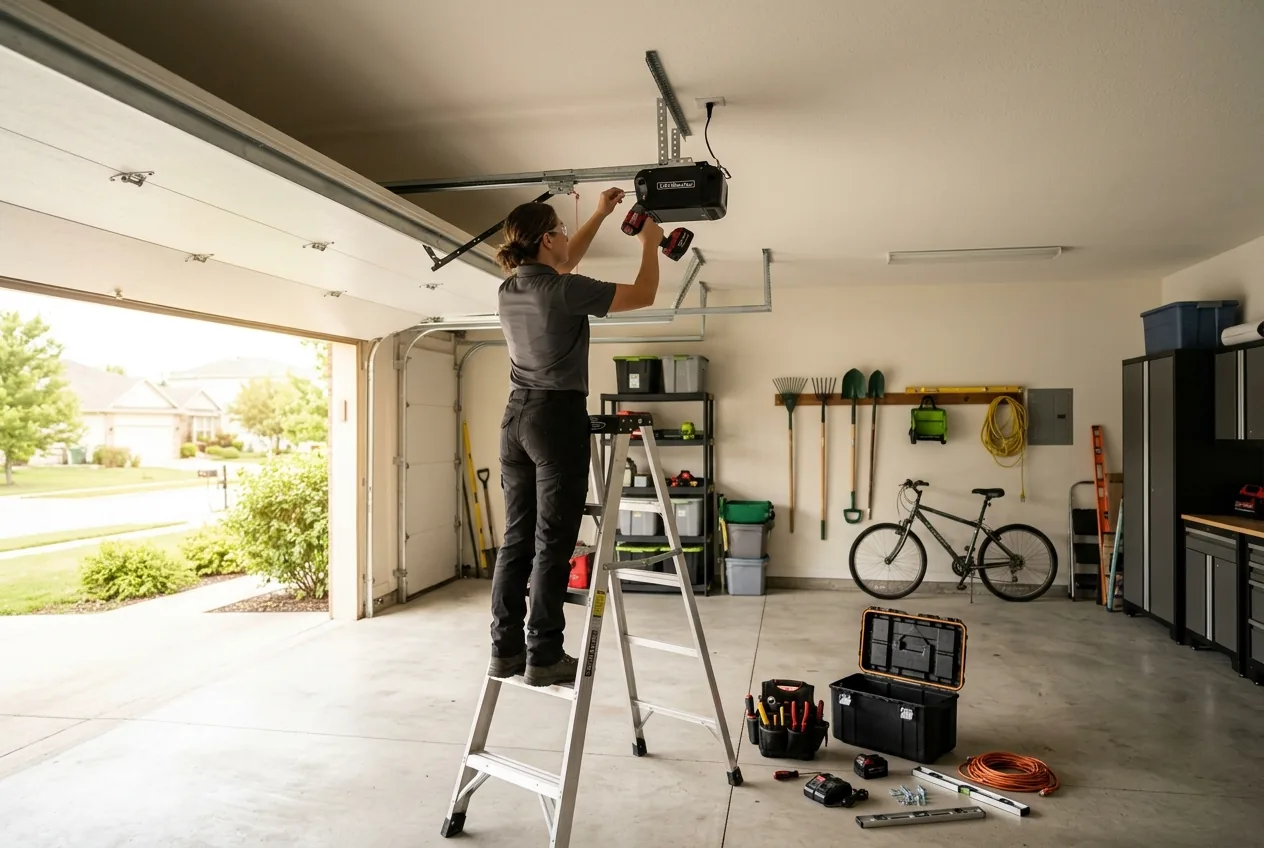
Buying & Costs
Opener horsepower ratings correspond to how much lifting force the unit can provide, but the more useful way to think about sizing is matching the opener to your actual door's weight and size rather than assuming a bigger number is always better.
Modern openers are rated by horsepower for AC motors or comparable force ratings for DC motors, but it's important to understand that the springs — not the opener — do the majority of the actual lifting work on a properly balanced door. The opener mainly needs enough power to move the door smoothly and consistently through its travel, not to lift the door's full weight unassisted.
| Door Type | Typical Opener Sizing |
|---|---|
| Single-car, lightweight (non-insulated) | Lighter-duty residential openers, adequate in most cases |
| Single-car, insulated | Mid-range residential openers |
| Double-car (two-car), standard | Mid to higher-range residential openers |
| Double-car, heavy insulated or custom (wood, oversized) | Higher-range or commercial-grade residential openers |
These are general starting points — exact sizing should always be confirmed against your specific door's actual weight and the opener manufacturer's specifications, not estimated from door type alone.
An opener working beyond its rated capacity runs hotter, wears out its internal components faster, and can struggle noticeably, especially if the springs are also not perfectly tuned. This is a common issue after a door replacement where the old opener was reused without checking whether it's actually rated for the new, often heavier, door.
Not necessarily — an oversized opener for a lightweight door isn't dangerous, but it's simply unnecessary expense, and it doesn't compensate for or fix an improperly balanced door. Correct spring tension matters more for smooth, safe operation than opener horsepower alone.
Many current mid-to-premium openers use DC motors, which offer smoother acceleration and deceleration (contributing to quieter operation) compared to traditional AC motors, along with better battery-backup compatibility. This is a separate consideration from raw lifting capacity, but worth knowing when comparing opener specs.
We size openers to your door's actual weight and dimensions during every opener installation, and we'll flag it directly if your existing opener isn't a good match for a door you're replacing.
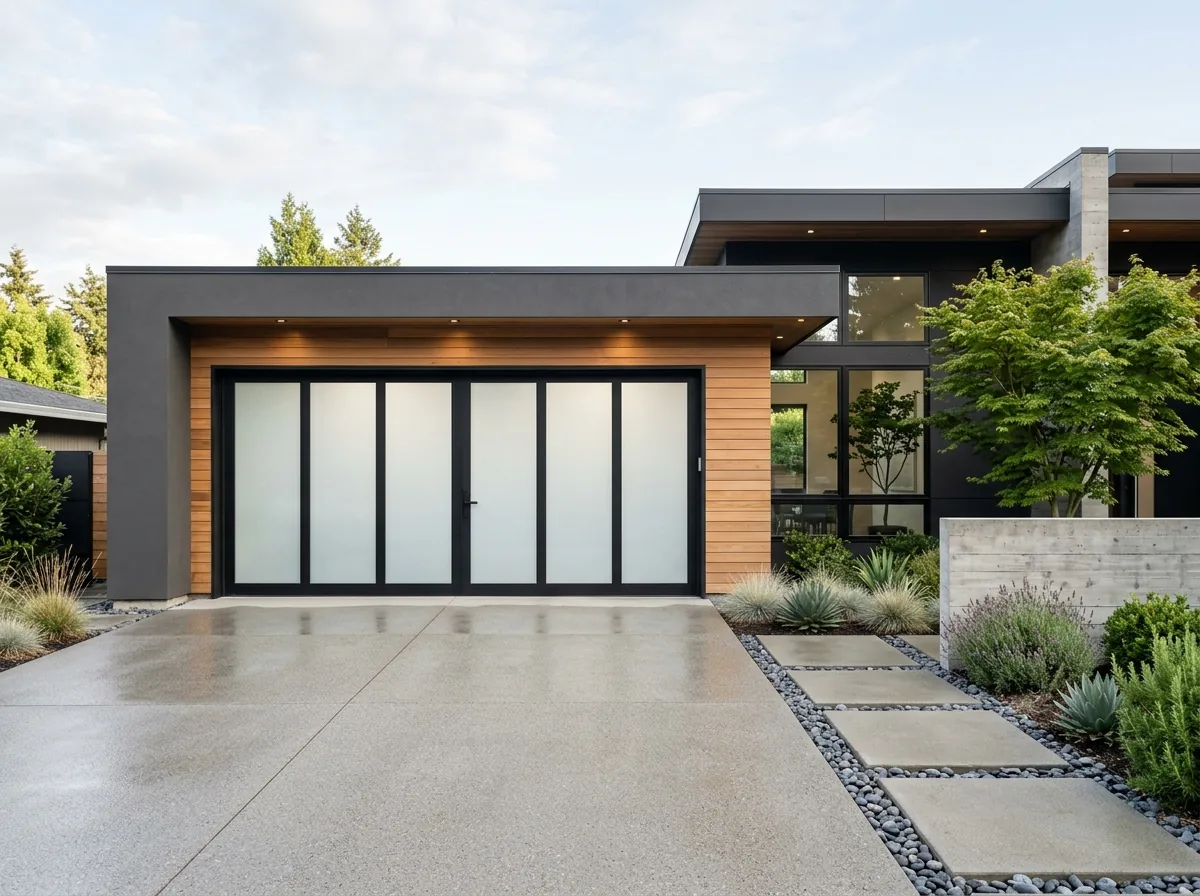
It depends on the specific weight and the opener's rating — some heavier custom doors need commercial-grade or heavy-duty residential openers rather than standard units. We assess this during an estimate.
Yes, over time an opener consistently working beyond its rated capacity wears out faster than one properly matched to the door, though the exact timeline varies.
Somewhat, though most residential openers are designed with similar target speeds for safety reasons — horsepower differences show up more in how much load the motor can handle consistently than in dramatically different open/close speeds.
Tell us what's going on and we'll call you back to confirm a time. For anything urgent, call 317-509-9873 directly.
Call now for a straight answer and a real appointment window — or send us a quick request and we'll call you back.