Buying & Costs
For most Indianapolis-area homeowners, steel (including wood-grain composite finishes) is the practical choice given Indiana's humidity and freeze-thaw winters, while real wood remains the top pick for homeowners prioritizing authentic natural material on a custom or historic home who are willing to maintain it.
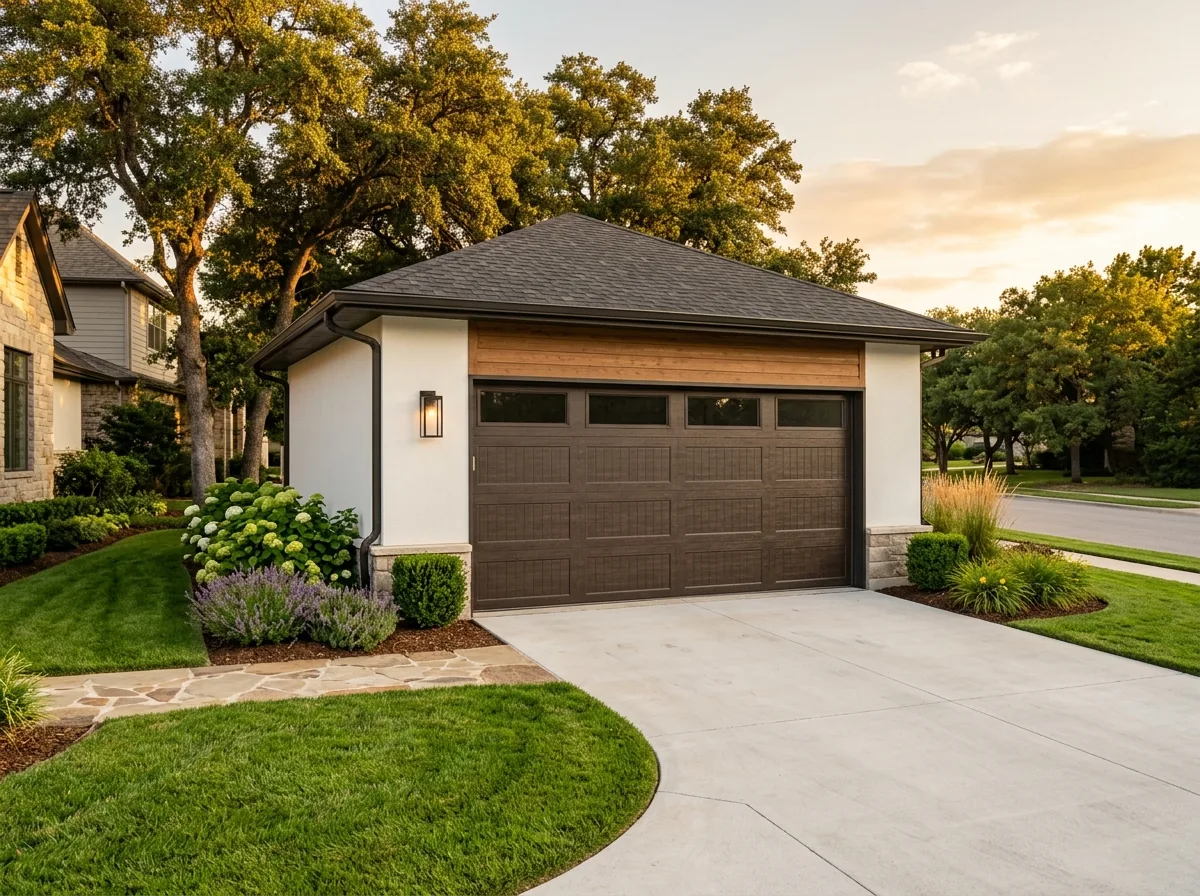
Pros: Highly durable, low maintenance, resists warping, wide range of styles including wood-look finishes, generally the most affordable option, available with strong insulation packages.
Cons: Can dent from impact, and while modern coatings resist it well, rust is still possible over a very long service life, especially if the finish is damaged and not touched up.
Best for: The large majority of Indianapolis-area homes, especially production-built subdivisions and any homeowner prioritizing durability and low upkeep.
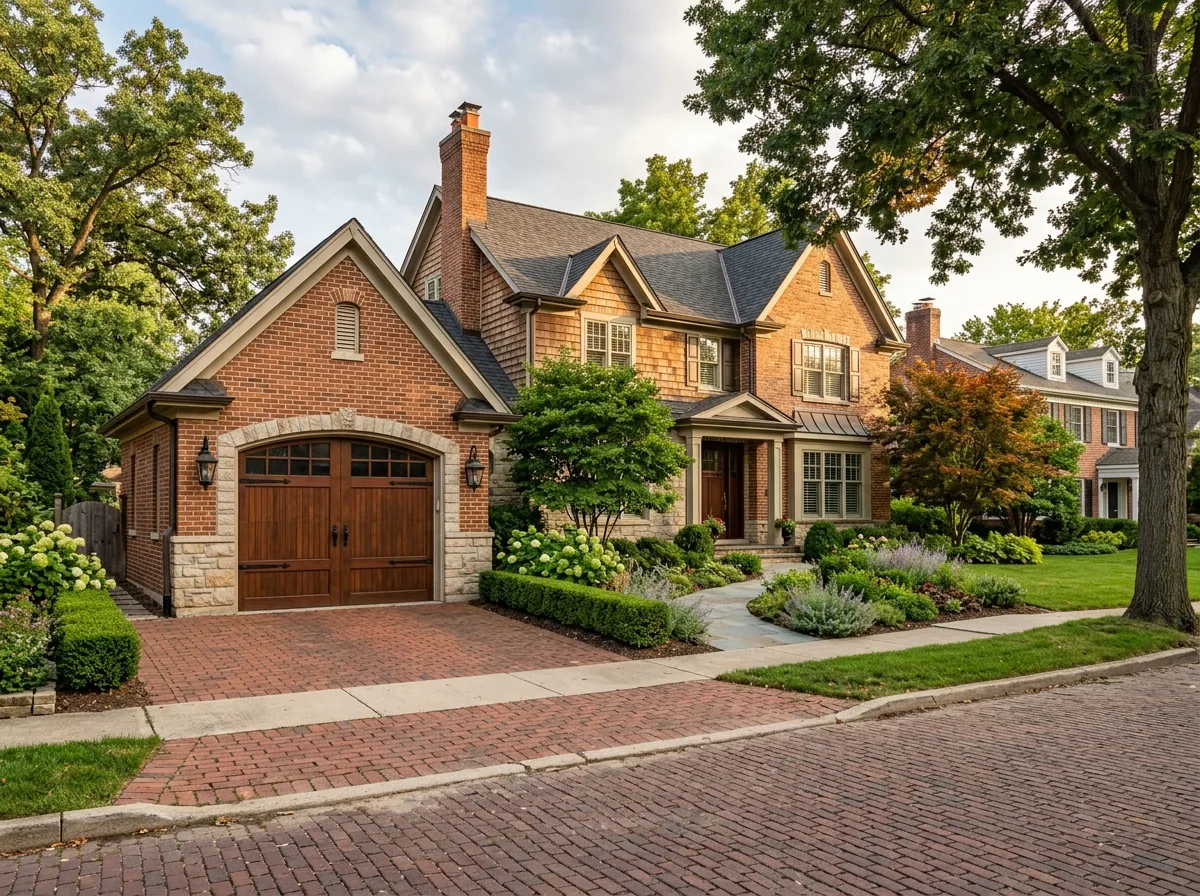
Pros: Unmatched natural, authentic appearance, fully customizable stain and paint options, often the strongest curb-appeal choice for historic and custom architecture.
Cons: Requires regular refinishing to prevent warping, cracking, and water damage — more upkeep than any other material, and generally the most expensive option.
Best for: Historic homes (common in parts of Zionsville and Meridian-Kessler) and custom builds where homeowners specifically want real wood and are prepared for the maintenance commitment.
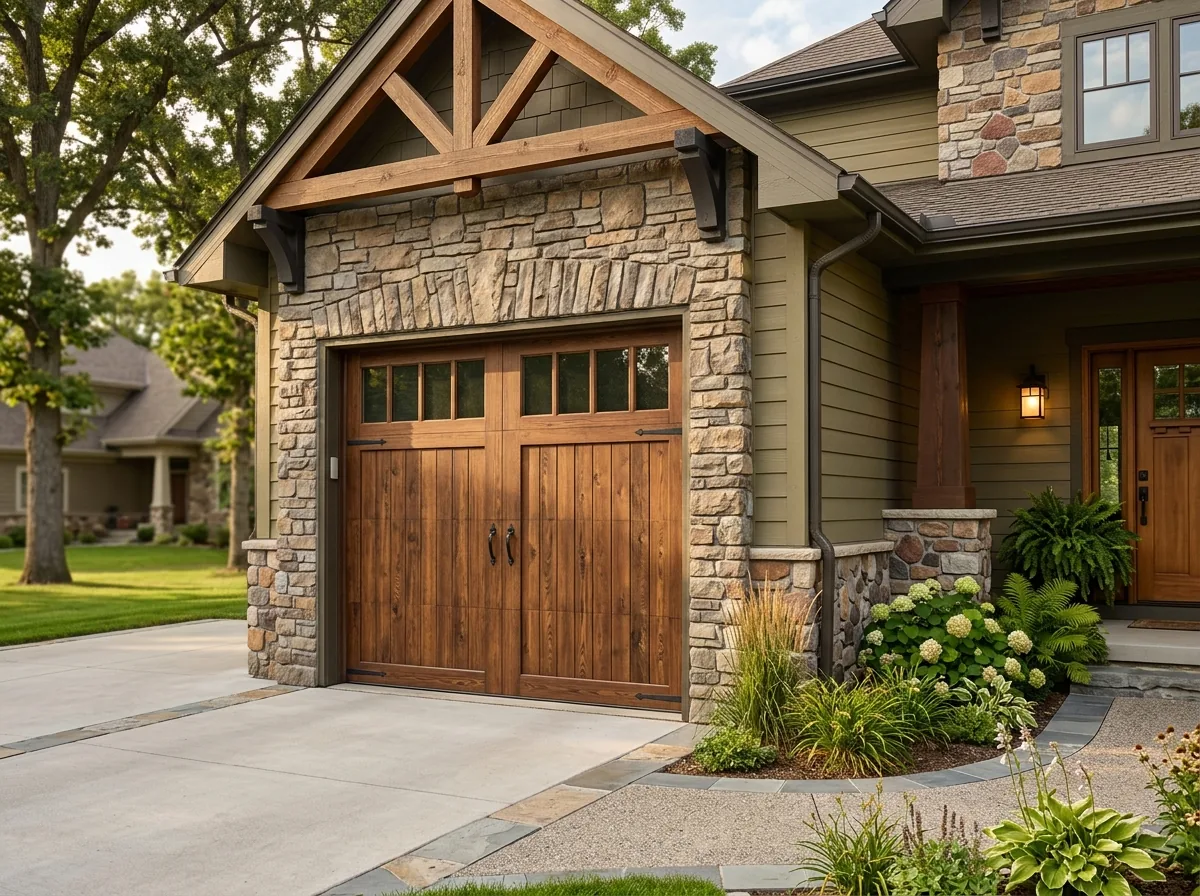
Pros: Wood-look styling without wood's maintenance demands, generally more dent-resistant than pure wood, good middle-ground cost, holds up well to Indiana's humidity swings.
Cons: Doesn't have the exact texture and depth of real wood grain up close, though modern finishes have closed that gap considerably.
Best for: Homeowners who want the carriage-style or wood-look aesthetic popular in areas like Carmel and Zionsville without committing to real wood upkeep.
Indianapolis sees real humidity swings across the seasons plus regular freeze-thaw cycling in winter. That combination is genuinely tough on real wood doors that aren't well-maintained — moisture exposure followed by freezing is a classic recipe for cracking and warping. It's a big part of why steel and composite options are so dominant across the metro even on homes where a wood look is clearly desired.
If you love the wood look but don't want the maintenance schedule, composite/faux-wood steel is almost always the better real-world choice in this climate. If low maintenance and durability are your top priorities regardless of style, standard steel is hard to beat on value. Real wood is a legitimate choice specifically for homeowners who want it for its own sake and are committed to the upkeep. See our full buying guide for sizing and insulation considerations alongside material choice.
Steel, generally by a wide margin. It doesn't require refinishing and resists the warping and moisture damage that real wood is prone to.
Many composite and faux-wood steel doors come with factory wood-grain finishes rather than being paintable/stainable the way real wood is, though this varies by manufacturer and product line.
Not a bad choice, but it's a higher-commitment one. Homeowners who choose real wood in this climate should plan for more frequent inspection and refinishing than in a drier, milder climate.
Tell us what's going on and we'll call you back to confirm a time. For anything urgent, call 317-509-9873 directly.
Call now for a straight answer and a real appointment window — or send us a quick request and we'll call you back.