Maintenance & Safety
Modern garage door openers include two independent safety systems — a mechanical force-sensing reversal and an infrared photo-eye beam — specifically designed to prevent the door from closing on a person, pet, or object. Both need to be working correctly and tested periodically, and household habits matter just as much as the hardware.
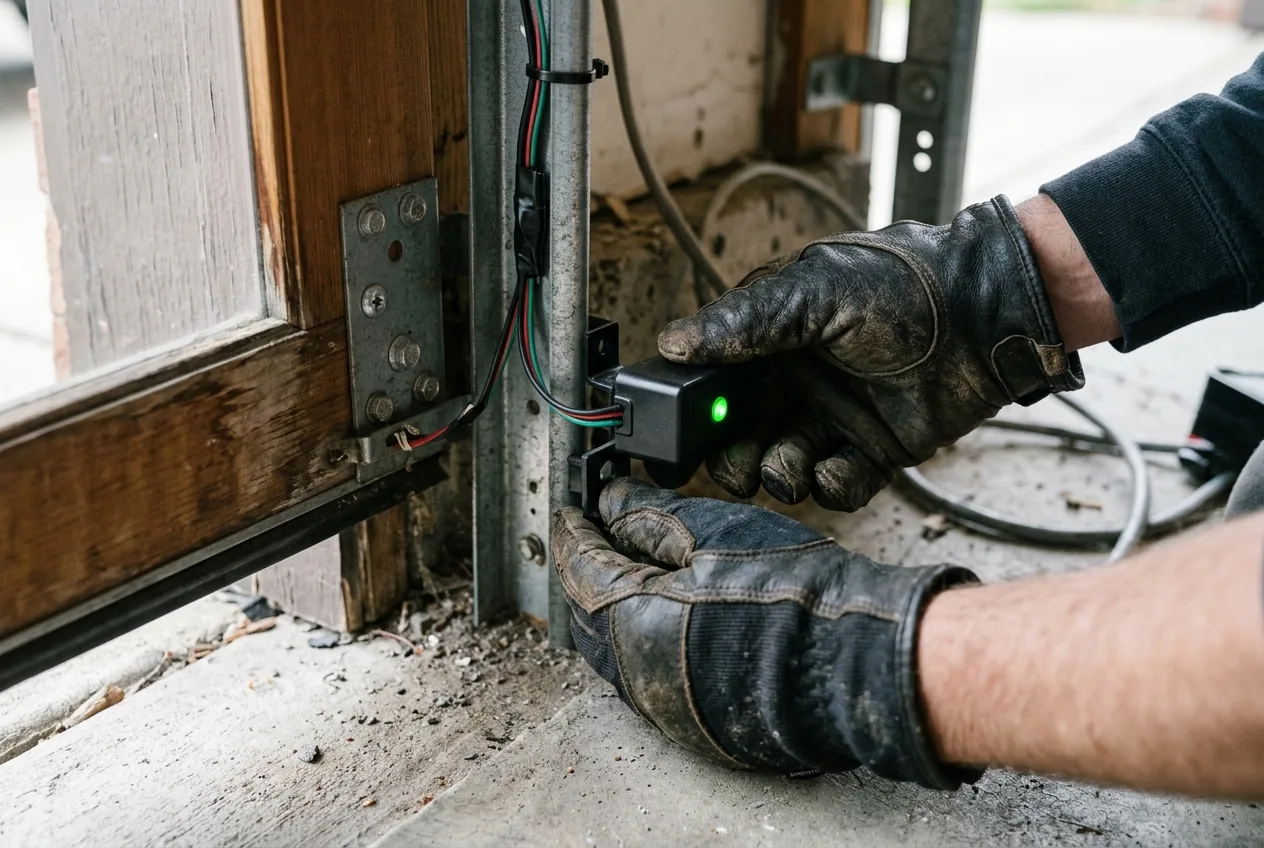
Since the mid-1990s, residential openers have been required to include two independent safety features: a force-sensing mechanism that reverses the door if it meets resistance while closing, and an infrared photo-eye sensor pair near the bottom of the track that reverses the door if the beam is broken. Both are meant to work together, not as a substitute for one another.
Place a roll of paper towels or a similar soft object in the door's path and trigger a close cycle. The door should stop and reverse on contact, well before applying significant force. If it doesn't reverse, or continues pressing down, that's a safety issue to address immediately — not a "get to it eventually" item. See our sensor repair page.
We occasionally find sensors that have been intentionally bypassed or disconnected by a previous homeowner or handyman trying to "fix" a closing problem. This removes a genuine, important safety feature. If sensors are causing a door not to close, the correct fix is repairing the actual sensor issue, not disabling it — see our guide on why a door won't close.
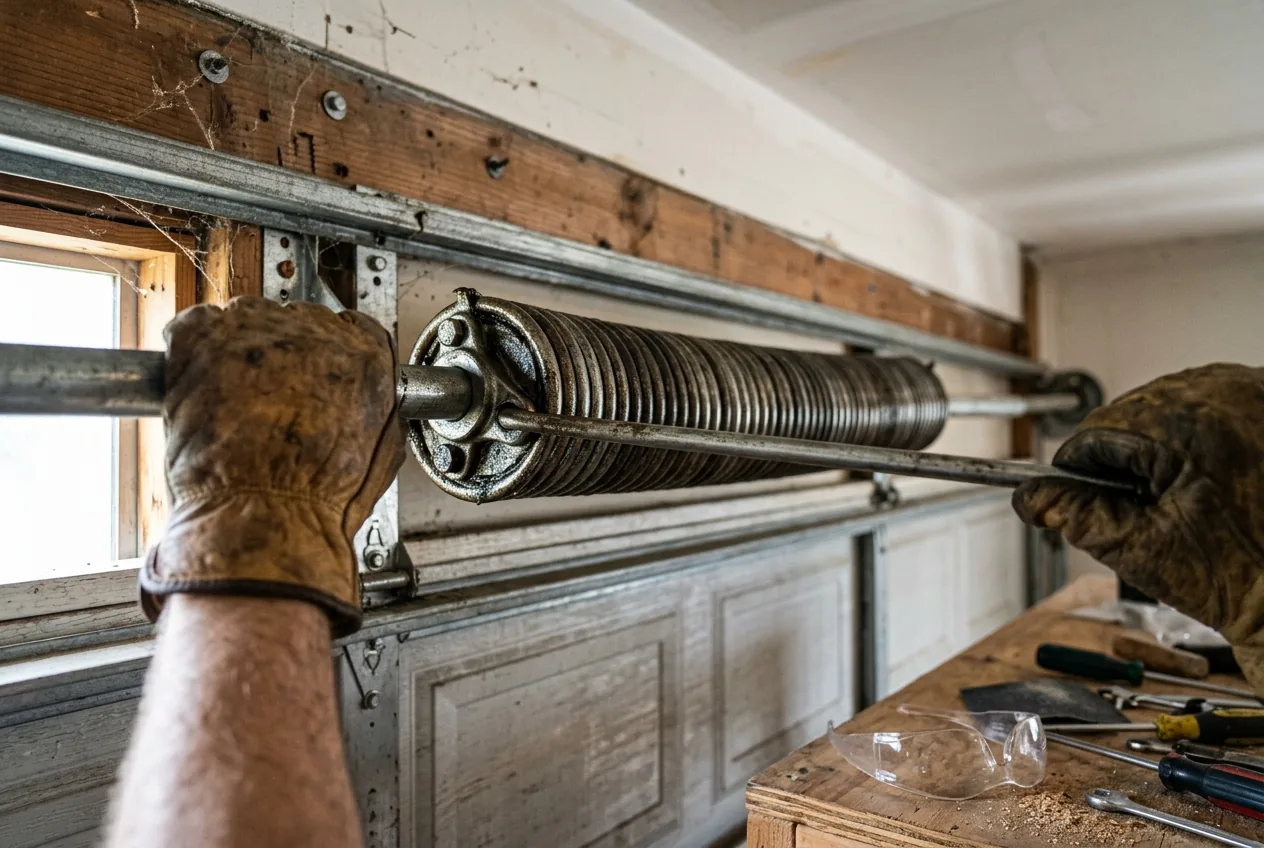
Separately from the door's movement itself, the springs and cables that power it store significant mechanical energy. This is a risk to adults attempting DIY repairs, not typically a risk to kids or pets who aren't handling the hardware directly — but it's part of why we're firm that spring and cable work should always go to a trained professional. See our spring safety guide for more.
If you're not confident your sensors and auto-reverse function are working correctly, or it's been a while since anyone tested them, that's a reasonable thing to include in a routine maintenance visit.
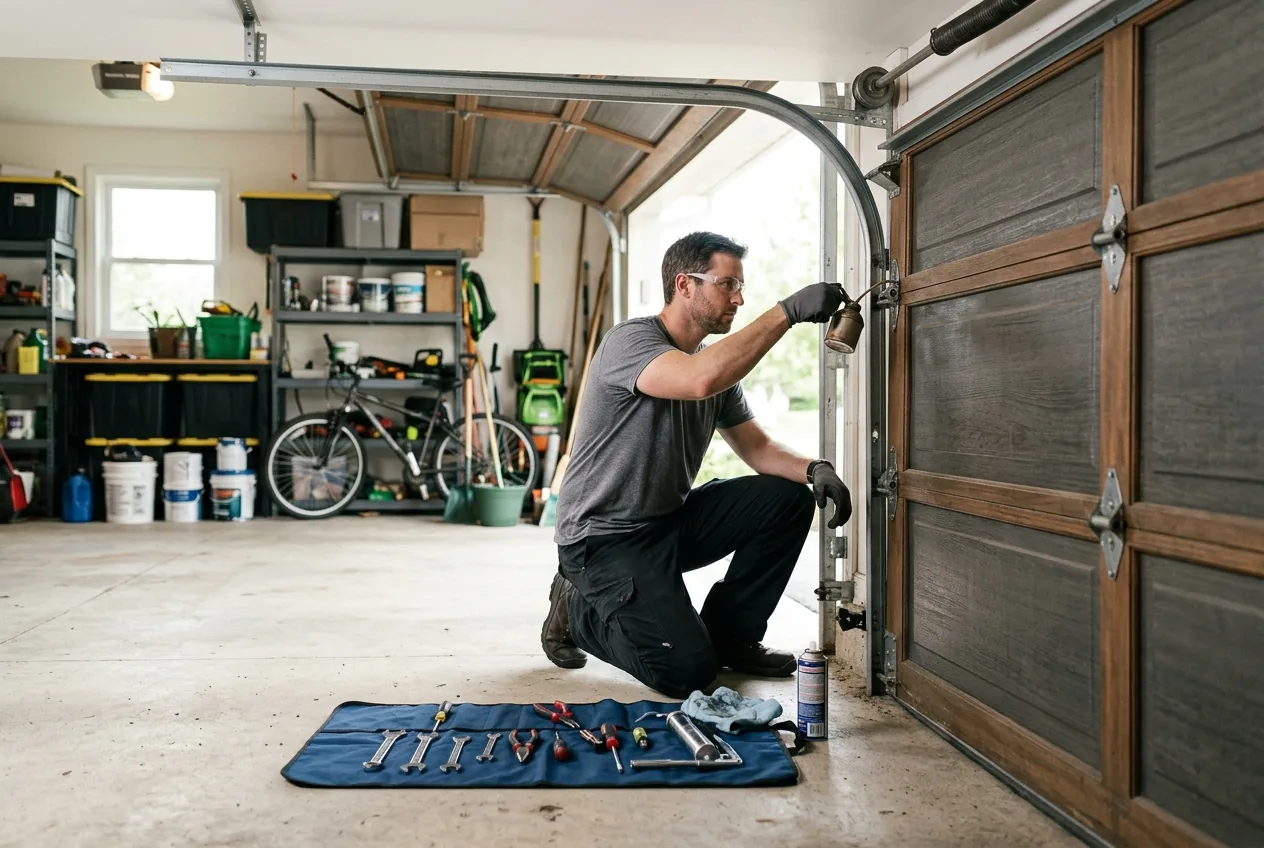
A quick test every few months is a reasonable habit, and definitely worth doing after any opener repair, battery change, or force-setting adjustment.
The safety sensors are designed to detect exactly this kind of obstruction, but it's still best practice to make sure pets are clear of the door's path rather than relying entirely on the sensor system.
Have them properly reconnected and repaired as soon as possible. This is a genuine safety gap, not a cosmetic issue, and it's a common finding in older homes with unknown repair history.
Tell us what's going on and we'll call you back to confirm a time. For anything urgent, call 317-509-9873 directly.
Call now for a straight answer and a real appointment window — or send us a quick request and we'll call you back.