Maintenance & Safety
Garages get less security attention than front doors, but they're frequently an easier target — older fixed-code remotes can be intercepted, the emergency release can sometimes be manipulated from outside, and an open garage door is a clear, visible invitation. A few specific upgrades close most of these gaps.
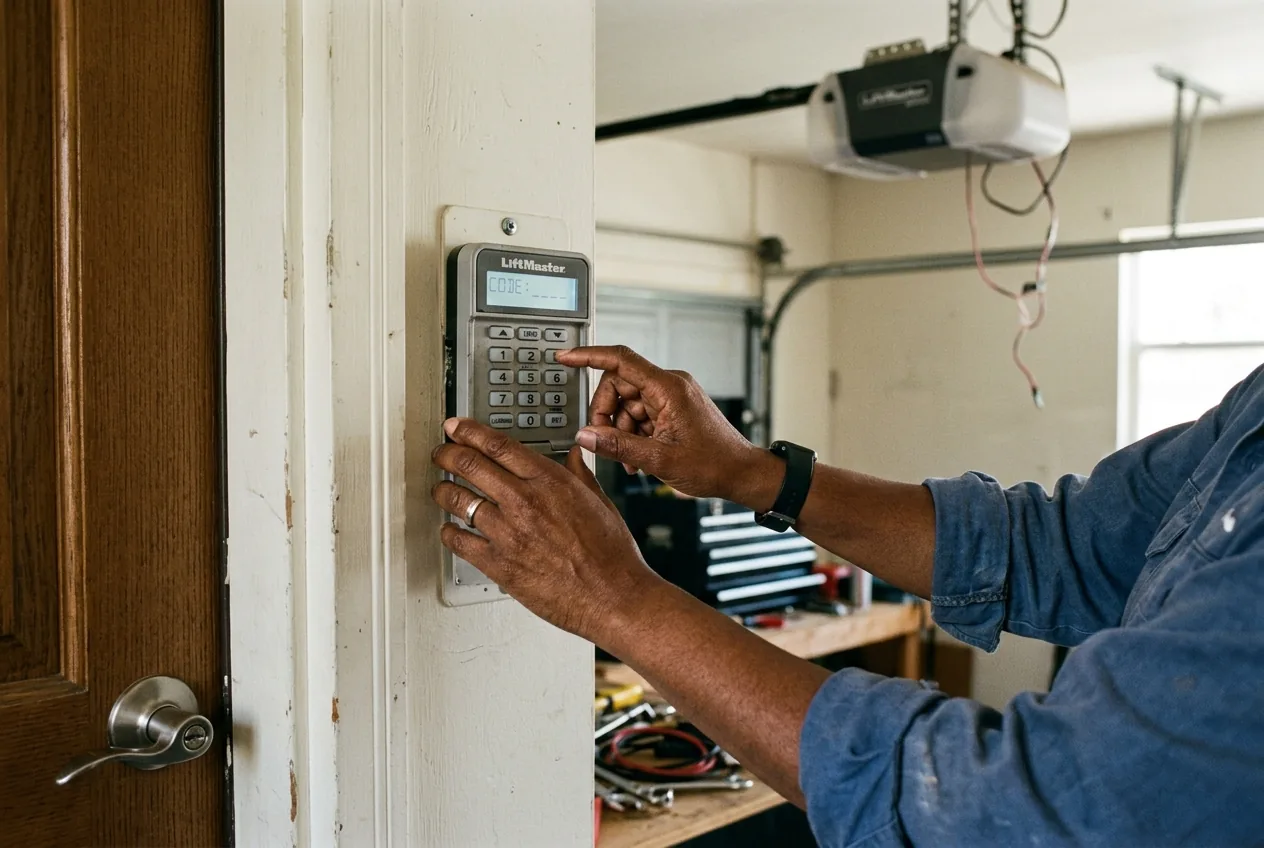
Older remotes send the same signal every time they're used, which is more vulnerable to code-grabbing devices that intercept and replay that signal. Modern rolling-code remotes generate a new code with every use, making that kind of interception far less effective. If your system is still running older fixed-code hardware, this is one of the more meaningful upgrades available. See our remote repair and upgrade page.
The manual emergency release cord, while an important safety feature, has historically been exploited using a coat-hanger-style tool inserted through the small gap at the top of some door types to snag and pull the release from outside. Modern opener systems and some retrofit kits include shielding or a release mechanism designed to prevent this. Worth asking about during your next opener service.
If you have an app-connected smart opener, treat the account the same way you'd treat any other security-relevant login — use a strong, unique password and enable two-factor authentication if the app supports it. A compromised account defeats the physical security benefits of the smart system entirely.
An open garage door is a visible signal, and it's a common opportunity for theft even during short windows — grabbing tools, bikes, or anything visible from the street. Get in the habit of closing the door immediately after entering or exiting, and consider a smart opener with monitoring (see our smart opener guide) if you're prone to forgetting.
The door connecting the garage to the house should be treated as an exterior-grade entry point — solid core, a proper deadbolt, not just the door's factory knob lock. A garage break-in that stops at an unsecured interior door still gives access to the rest of the home.
If your garage door or garage windows are visible from the street, avoid leaving valuable items in clear view. Simple visibility is part of what makes a garage an attractive target compared to other entry points.
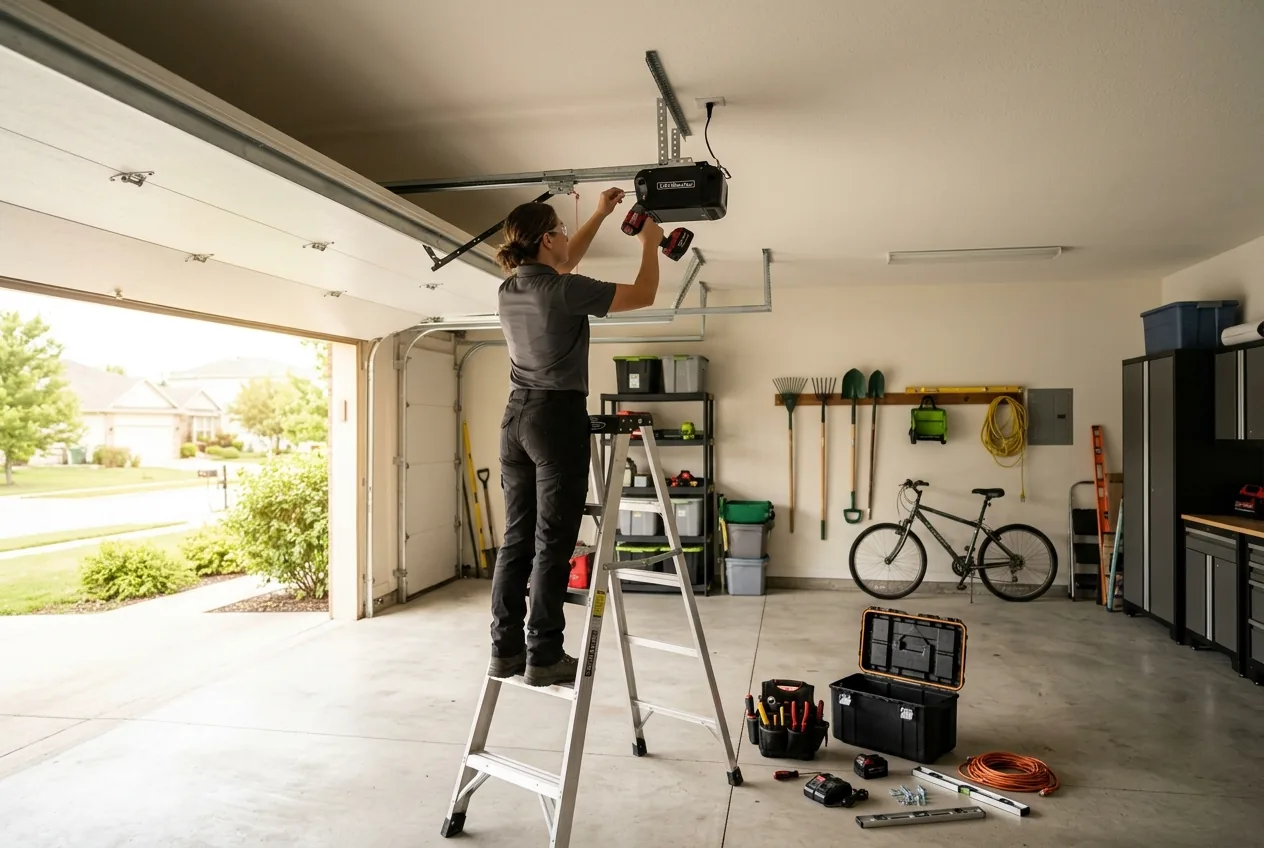
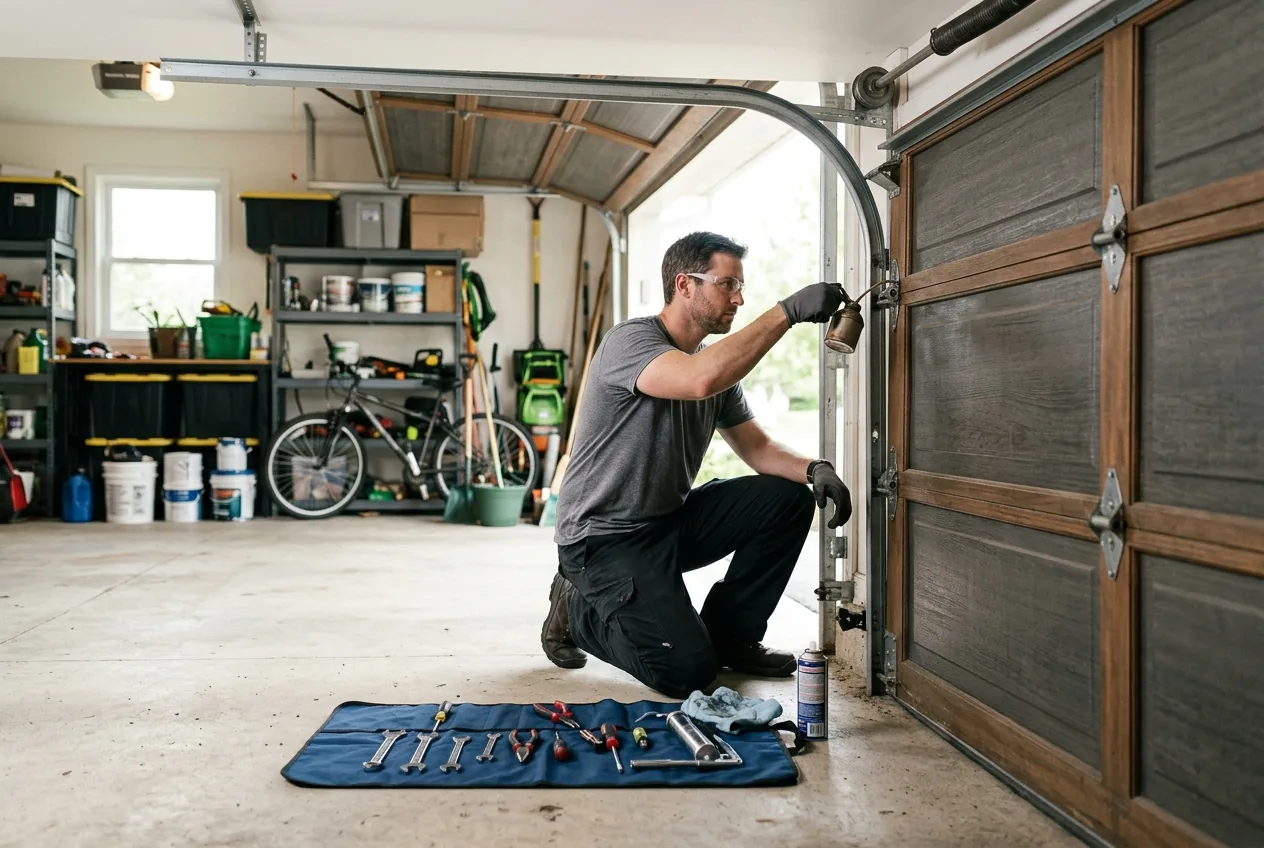
A door that doesn't fully seal, sensors that have been bypassed, or hardware that's loose enough to manipulate all represent security gaps beyond their functional problems. Routine maintenance catches these alongside the mechanical issues.
Garages are a well-documented target in home security research precisely because they're often less secured than front entries — exact rates vary by area, but it's a real enough risk to be worth basic precautions.
Not necessarily — sometimes just the remotes need upgrading if the opener's receiver already supports rolling code, though older opener units may need full replacement to get modern security features. We check this during a service visit.
It can be, given modern encryption and remote monitoring capability, but security depends on how well you protect the associated account credentials — a smart system with a weak password isn't automatically safer than a well-maintained traditional one.
Tell us what's going on and we'll call you back to confirm a time. For anything urgent, call 317-509-9873 directly.
Call now for a straight answer and a real appointment window — or send us a quick request and we'll call you back.